Disclaimer: This post is for educational and informational purposes only and does not provide financial advice or investment guidance.
Introduction
Digital time and attendance platforms have become a core component of modern workforce management. These platforms allow organizations to monitor schedules, track employee attendance, and organize operational data efficiently. This post provides an educational exploration of swipeclock and similar systems, explaining registration, navigation, and essential functionalities from a professional, neutral perspective.
Core Functions of Time and Attendance Platforms
Time and attendance platforms consolidate various workforce management tasks into a single interface. Core functions typically include:
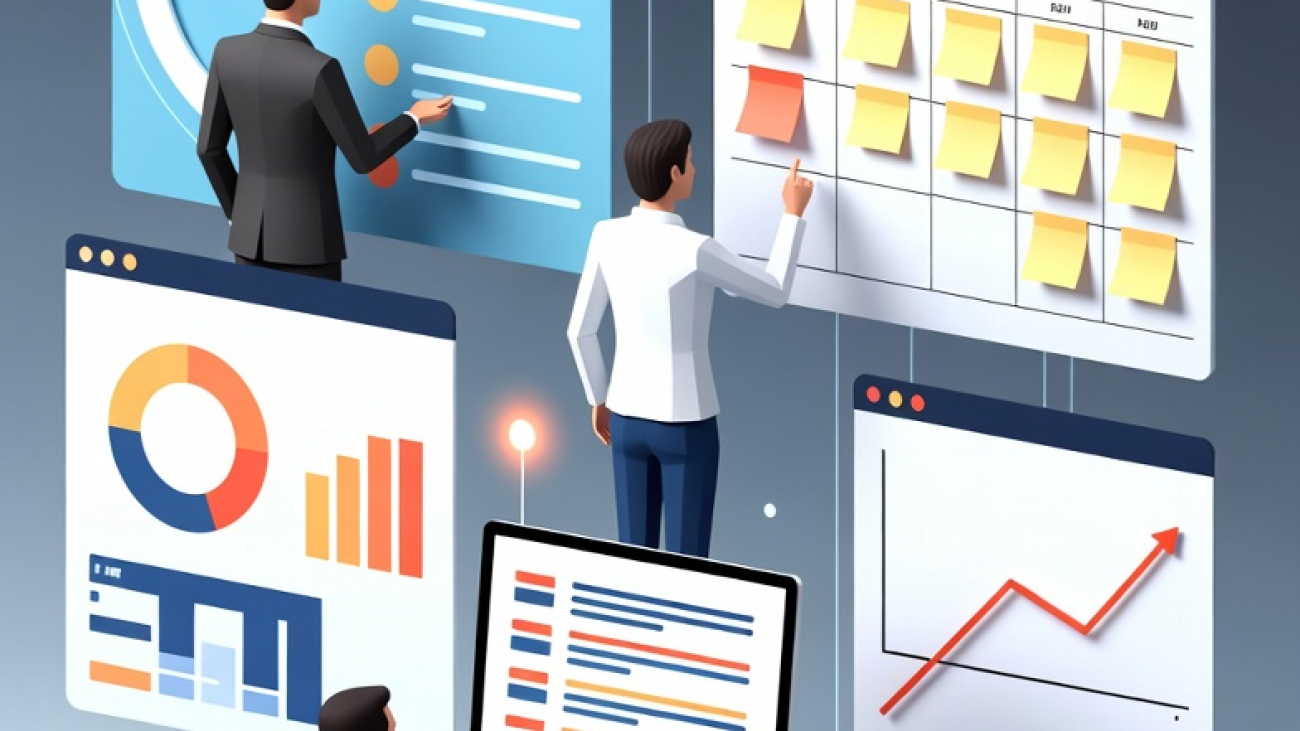
1. Scheduling and Shift Management: Platforms allow users to create recurring schedules, adjust shifts, and assign employees across departments. Swipeclock provides an intuitive scheduling module where administrators can visualize shifts using calendars and color-coded timelines.
2. Attendance Tracking: Digital systems record employee check-ins and check-outs automatically. Swipeclock dashboards display attendance data clearly, showing trends and anomalies for educational analysis.
3. Notifications and Alerts: Alerts for missed shifts, late check-ins, or schedule changes help users understand operational flow. These features enhance comprehension of workflow management without invoking financial guidance.
4. Reporting Tools: Platforms generate visual summaries, such as graphs and charts, to analyze workforce patterns. Users can explore reports to learn how data is organized, interpreted, and presented.
Registration and Setup Process
Most time and attendance platforms share a similar registration workflow. Users typically:
- Create an account with organizational credentials
- Set up authentication and security options
- Configure basic organizational data
- Access a dashboard with guided onboarding
Swipeclock provides step-by-step instructions for adding employees, defining roles, and managing schedules. Comparable neutral platforms emphasize user-friendly design to facilitate educational understanding of digital workforce management.
Navigating the Interface
A clear interface is essential for effective learning. Dashboards in platforms like swipeclock display:
- Upcoming shifts and schedules
- Attendance summaries and alerts
- Employee profiles and role permissions
- Reports and analytics modules
Users can interact with visual calendars, timelines, and color-coded elements to understand workflow management. Exploring these interfaces educates users on system logic, usability, and operational organization.
Comparing Platforms
While swipeclock is a prominent example, other neutral time and attendance systems may offer variations, including mobile compatibility, custom dashboards, or enhanced reporting tools. Educational comparison highlights differences in layout and feature presentation without suggesting usage or evaluating services.
Conclusion
Time and attendance platforms, exemplified by swipeclock, serve as informative examples of digital workforce management. Understanding registration steps, interface navigation, and key functionalities allows learners to explore these systems from an educational perspective. This analysis emphasizes knowledge acquisition without financial, service-based, or promotional implications.
Disclaimer: This post is for educational and informational purposes only and does not provide financial advice or investment guidance.