Disclaimer: This post is for educational and informational purposes only and does not provide financial advice or investment guidance.
Introduction
Managing employee schedules and tracking attendance is a fundamental aspect of organizational efficiency. Digital platforms simplify these processes, allowing administrators to coordinate shifts, monitor presence, and maintain organized records. This post examines platforms like swipeclock from an educational perspective, explaining registration, navigation, and the primary features that support effective workforce management.
Understanding Scheduling Tools
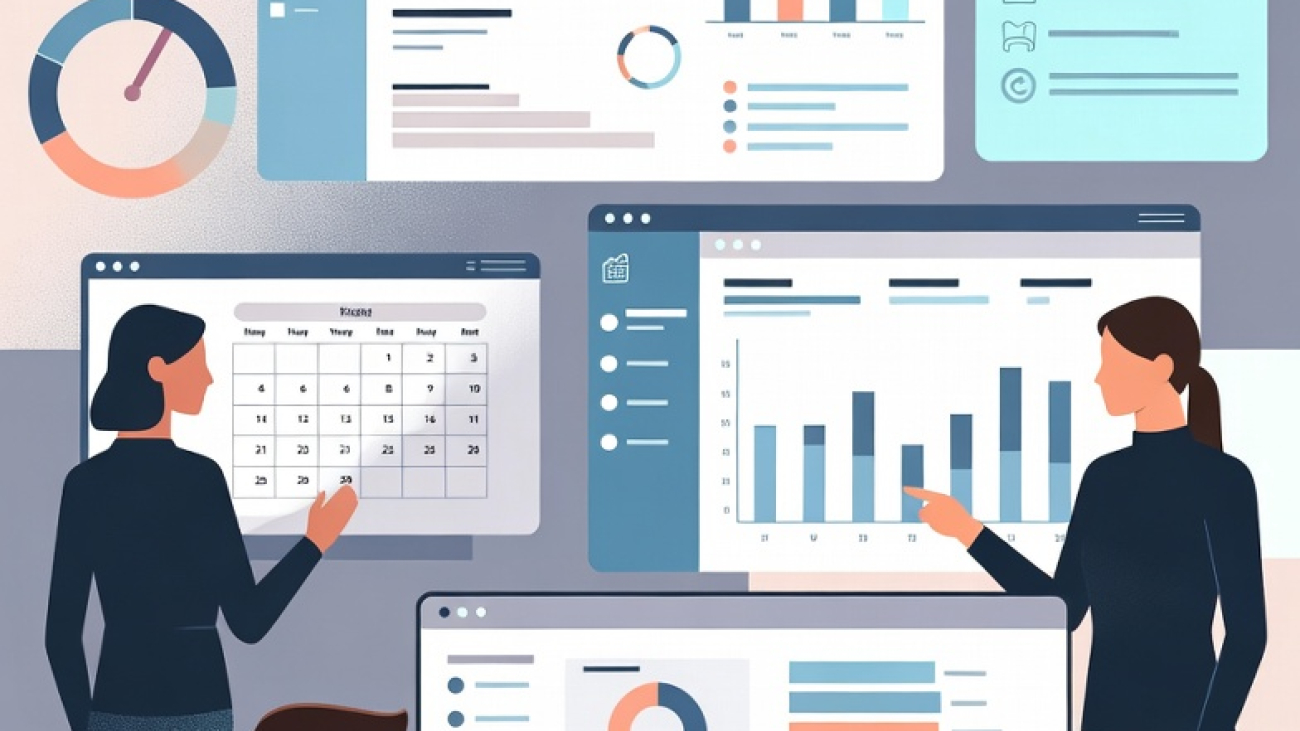
Scheduling tools within workforce management platforms enable organizations to create, adjust, and communicate work shifts. These tools often offer visual calendars, automated alerts, and templates for recurring schedules. Swipeclock, for example, provides a centralized dashboard where users can assign shifts, view team availability, and make real-time adjustments.
Other neutral platforms may include additional functionalities, such as mobile-friendly scheduling, drag-and-drop interfaces, and multi-location management. Understanding these core components helps users navigate and utilize scheduling tools efficiently.
Attendance Monitoring and Tracking
Attendance tracking is another essential feature of digital workforce management systems. Platforms record employee check-ins and check-outs, generating data that reflects punctuality and presence trends. Swipeclock incorporates automated time logs and alerts for anomalies, such as missed clock-ins or extended breaks.
Educational exploration of these systems highlights how tracking mechanisms operate without introducing any financial considerations. Users learn to read dashboards, interpret reports, and maintain accurate records, all within a neutral, professional framework.
Navigating the User Interface
A well-designed interface contributes to the usability of workforce management platforms. Swipeclock, for instance, uses a main dashboard displaying schedules, attendance alerts, and upcoming tasks. Side menus direct users to modules such as employee profiles, reporting, and system settings.
Features like color-coded schedules, interactive calendars, and timeline views enhance clarity and streamline operational tasks. Exploring these interfaces in an educational context helps users understand system logic, data representation, and functional navigation.
Additional Functionalities in Context
1. Reporting and Analysis: Platforms provide visual summaries of attendance, shift fulfillment, and workforce activity trends.
2. Employee Profiles: Administrators can access detailed employee information, roles, and permissions to maintain structured oversight.
3. Notifications and Alerts: Automated notifications support timely communication of schedule changes and important attendance updates.
4. Integration Capabilities: Many platforms connect with other organizational systems, such as HR or timekeeping tools, enhancing operational efficiency without requiring financial decision-making.
By exploring swipeclock alongside similar tools, users gain insight into the features that support organized scheduling and attendance management, reinforcing understanding through practical examples.
Conclusion
Employee scheduling and attendance platforms, such as swipeclock, serve as valuable educational examples of digital workforce management systems. Examining registration steps, navigation, and key functionalities provides a clear understanding of how these platforms operate. Approaching these tools from an informational perspective emphasizes knowledge acquisition rather than service engagement or financial application.
Disclaimer: This post is for educational and informational purposes only and does not provide financial advice or investment guidance.