Disclaimer: This post is for educational and informational purposes only and does not provide financial advice or investment guidance.
Introduction
Modern organizations increasingly rely on digital platforms to manage workforce data efficiently. Dashboards serve as the central hub for these platforms, providing insights into schedules, attendance, and operational metrics. This post examines swipeclock and comparable systems, focusing on how users navigate dashboards, access features, and interpret displayed information for educational purposes.
The Role of Dashboards in Workforce Management
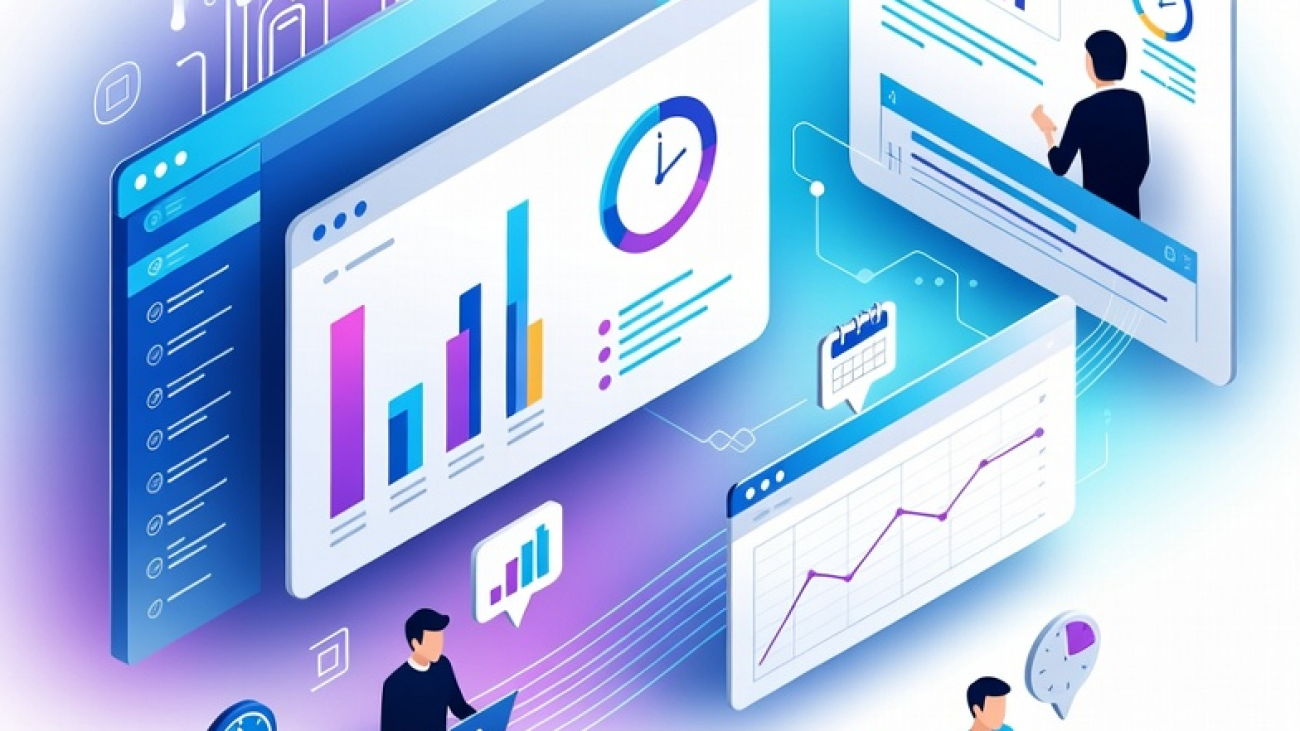
Dashboards are the core interface of digital workforce management platforms. They consolidate multiple modules, offering a clear overview of employee activity, upcoming shifts, and alerts. For example, swipeclock dashboards provide visual summaries of attendance, schedule compliance, and notifications.
Understanding dashboards is key to grasping how digital workforce management operates. Educational exploration emphasizes layout interpretation, menu navigation, and the relationship between dashboard data and platform functionality.
Registration and Access to Dashboards
Accessing a dashboard typically begins with platform registration. Users create an account, set up authentication, and configure basic organizational settings. Once logged in, the dashboard acts as the starting point for daily operations.
Swipeclock guides new users with an intuitive onboarding process. Interactive tutorials and setup wizards demonstrate how to add employees, define shifts, and customize notifications. Similar neutral platforms adopt comparable workflows, reinforcing usability and user orientation.
Navigating Dashboard Components
Digital dashboards often include multiple modules:
1. Schedules and Calendar Views: Provides visual timelines of shifts, color-coded by employee or department. Users can observe patterns and detect potential conflicts.
2. Attendance Monitoring: Displays employee check-ins and check-outs, enabling administrators to identify anomalies or trends.
3. Alerts and Notifications: Highlights pending actions, missed clock-ins, or upcoming shifts to maintain operational awareness.
4. Reports and Metrics: Offers charts, graphs, and summaries that allow educational exploration of workforce activity without requiring financial interpretation.
5. System Settings and User Management: Facilitates access control, role assignment, and configuration adjustments to suit organizational structure.
Exploring these components helps users understand data presentation, workflow logic, and practical use cases for workforce management platforms.
Comparative Overview of Similar Platforms
While swipeclock exemplifies structured dashboard navigation, other neutral platforms may present alternative layouts or additional modules. For instance, some platforms emphasize mobile accessibility, interactive analytics, or customizable interface elements.
Educational comparison highlights similarities and differences, allowing learners to develop a nuanced understanding of dashboard-based workforce management without evaluating services or making operational decisions.
Conclusion
Digital dashboards are central to workforce management platforms like swipeclock. By examining registration, navigation, and key dashboard features, users gain a professional and structured understanding of these systems. Studying dashboards from an educational standpoint provides insights into digital workflow management, emphasizing knowledge acquisition rather than financial or service-based application.
Disclaimer: This post is for educational and informational purposes only and does not provide financial advice or investment guidance.